The Hermann Rorschach Inkblot Test
Projective Psychological Test
The Rorschach test is a projective psychological assessment method based on the interpretation of 10 abstract and symmetrical inkblots created by folding ink on paper. The cards include different combinations of black, white, red, and other colors. Its purpose is to explore aspects related to perception, thought processes, emotional responses, and individual personality characteristics.
Blot Card 01
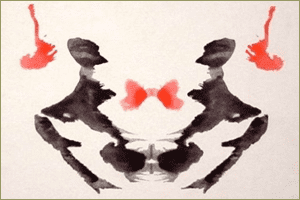
This blot is often perceived as a human or animal figure. The response may provide information about how a person organizes perceptions and creates associations.
Blot Card 02
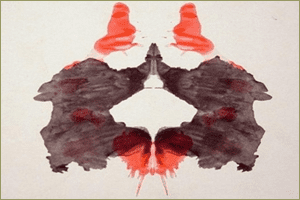
The red elements may evoke strong emotional associations and are used to explore how a person responds to emotionally significant stimuli.
Blot Card 03
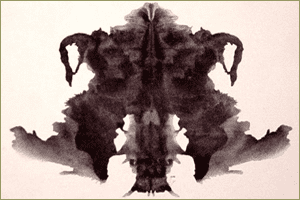
This blot is often associated with the perception of interpersonal relationships and the way a person interprets social interactions.
Blot Card 04

One of the most recognized cards of the test. Its dark structure can generate different associations related to perceptions of strength, authority, and emotional responses.
Blot Card 05
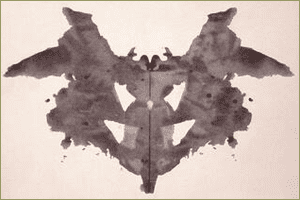
The examinee may identify figures such as a bat, butterfly, moth, or other symmetrical images. This card is used to study how visual perceptions and meanings are organized.
Blot Card 06
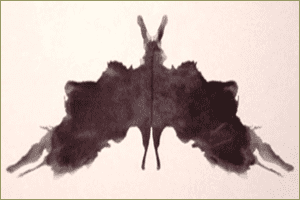
This blot can produce different associations due to its shape and structure. Classical interpretations focused on individual differences in perception and response organization.
Blot Card 07
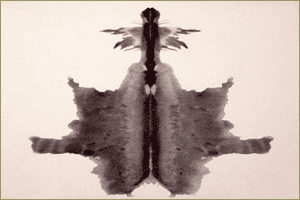
This card has traditionally been associated with emotional and interpersonal themes. Its interpretation depends on the complete set of responses rather than on an isolated answer.
Blot Card 08
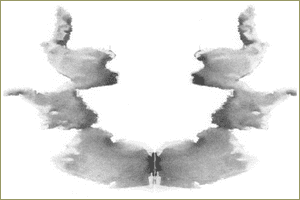
The colors and shapes of this card allow the exploration of how a person integrates visual information and responds emotionally to complex stimuli.
Blot Card 09

This multicolored blot may generate many different associations. The analysis considers both the content of the response and the way the person organizes their perception.
Blot Card 10
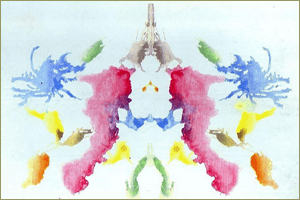
The final blot contains a wide variety of colors and shapes. It is used to observe how a person organizes and integrates complex visual information.